
Yearly Archives

12 Articles

When Night Turns to Canvas: How Gangnam Public Transforms Seoul’s Nightlife into Art

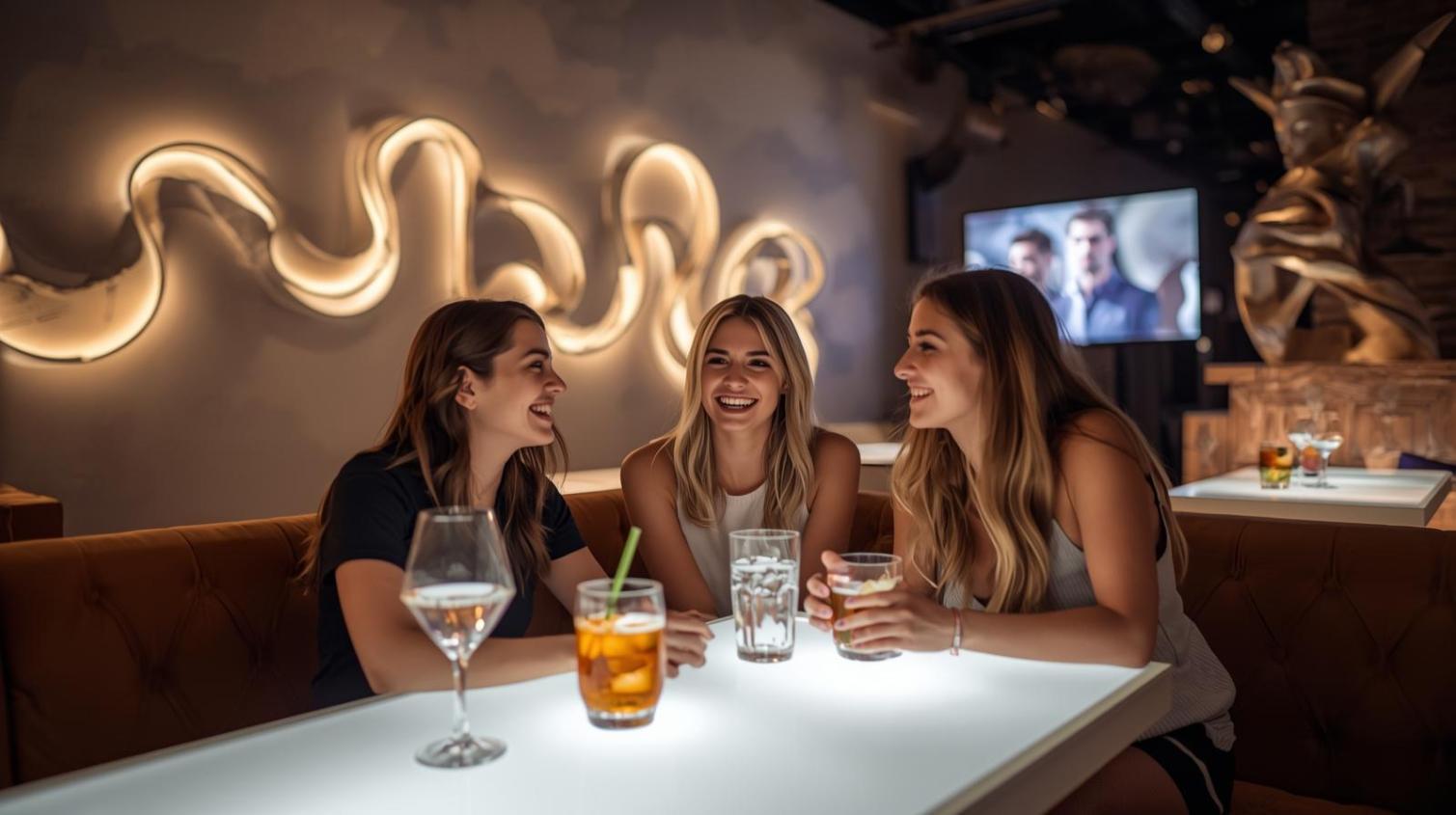
Three friends smiling in a vibrant Seoul art-themed karaoke lounge at night.

Located in the center of Seoul, Gangnam Public (강남퍼블릭) changes the perception of nightlife. More than just a karaoke lounge or a social club, it’s a work of art that integrates the three elements of music, design, and performance. Stepping in does not feel like entering a club but rather a gallery that combines movement, color, and connection.

The venue has unique elements that allow it to have a separate form of entertainment from the rest. The walls are composed of minimal art pieces that help and contribute to the artwork in the venue. The result is a nightlife with creative Seoulian pieces that stand even when the sun has set.

Form Of Expression In Architecture

The venue’s design of Gangnam Public is modern ‘art spaces.’ Each room is like an art exhibit that highlights the relationship to both sound and space. The private karaoke booths feel like primary micro stages and one clear performer, causing the folks watching to become performers too.

The gentle neon motifs and ambient reflections combined with the polished surfaces make the space feel as though performance art has come alive around them. The architecture not only contains people, but also actively engages with them and fosters their self-expression. It enables the creation of beautiful and memorable moments of art scattered throughout, as if the entire building is alive and guiding their movements like a body.


ALSO READ: What a Daily Dose of Words Cookie Teaches Visual Artists About Structure


Sound as the Medium

To capture the feeling of the Gangnam Public, the various pieces of music are put together as scores for movements of a performance. Playlists are like breathing organisms that shift and transform from moments of jazz interludes to electronic rhythms, capturing the digital pulse of Seoul.

The music nourishes the connective tissue, not only hovering above the patrons, serving as a silken web, but also as a conductor of emotional intersections that cascade throughout the evening. Each unique voice straining their voice to the maximum comes together to create an addition that, although it is the very spirit of Seoul, is simply an overturned glass to all the sounds around, waiting to collect the essence that is the city.

The art of karaoke is achieved through participation and the various moments captured in the moment. Unlike the other pieces of art, this contribution can be done by anybody, whether an inexperienced individual who has never stepped in front of a microphone or a seasoned, constant participant who has a number under their belt.

In this unique system that is Gangnam Public, the common threads that tie all the moments together form an unexpected dance to the music that is playing, creating a mesmerizing aesthetic.

The Cultural Ripple

In the case of Gangnam Public, the trend is emblematic of Seoul’s cradle of entertainment and art integration. Developed creative zones no longer have distinct divisions of nightclubs, galleries, and theaters. Guests come not just to relax but to participate in and witness a piece of art in motion, celebrating the fullness of the human experience.

In the case of Gangnam Public, the integration of night entertainment into a canvas is a new take on what cultural experience entails in a hypermodern city. It demonstrates the fact that inasmuch as art is not just limited to what is hung on the wall, life too is not merely what happens during the day but can also be found in the music’s beat, the pulse of the body beneath the dancing lights, and the exuberant bliss of togetherness.

Breaking Barriers Through Art How Dallas Lawyers Help Immigrant Creatives Find Legal Freedom

Smiling lawyer and artist review visa papers in colorful Dallas art studio.

Like many immigrant artists, arriving in America has proven to be both inspiring and simultaneously complex, especially with crafting and expressing their visions. Behind the canvas, on the stage, or under gallery lights are often the attorneys in Dallas, accompanying their clients through the endeavors of red tape, immigration, and master’s in immigration law.

These specialists practice in Dallas, and their primary focus is on immigration law. Due to their sharp rates, there are no compromises on cross-border art flights at their clients’ expense. No “Red tape” is there to hinder the creative flow at the borders.

The artistic unveiling of legal restraints

FoFor several years now, Dallas has become a melting pot of cultures and people.hThis has resulted in a flourishing and established art community.oHowever, obtaining a legal work document or visa has proven to be a persistent challenge for many non-American artists, performers, and musicians.

ImMigration attorneys, who act as strong advocates during these artistic blockades, address these challenges.hThese attorneys manage and obtain artist visas and sponsorship documents, serving as legal representatives as well as shields for unhindered artistic expression.

ThThese individuals collaborate with artists by guiding them through the eligibility process and assisting them in obtaining proof of artistic merit, as well as performing various other tasks.dAdditionally, many attorneys work with galleries, art institutions, and music venues and advise them on legal obligations related to the engagement of foreign artists in performances and exhibitions.

ThIt protects the institutions from legal repercussions and ensures that immigrating artists can present their work safely and legally.

Art and Advocacy Stories

Some of the most compelling narratives in the creative community of Dallas revolve around immigrant artists who, with the aid of empathetic and dedicated legal practitioners, managed to transcend the borders of immigration.

A Without the support that lies beneath the surface, Deep Ellum would certainly have lacked the audience for South American sculptors and even classical musicians who grace the stages of the glorious Meyerson Symphony Center.

Attorneys who deal with immigration issues enable artists to devote their time and energy to practicing their art, obtaining contracts, and even forming their own businesses or studios. It’s about silencing and protecting the diverse voices that the culturally rich city of Dallas has to offer.


Also read: The Stage of Nightlife Elegance: Where High Jjeom-o Becomes Performance Art


The Power of Collaborative Art and Law

Dallas takes pride in its combination of advocacy law and art, which reflects its progressive character. As the local art foundations begin to grasp the value of immigration law and its relevance to the sustenance of cultural pluralism, community.

Law and art are local. She teaches artists immigration law, visa law, and visa employment law, reinforcing community compliance and leadership. Law Offices and art collectives frequently conduct legal workshops that teach artists how to navigate US immigration law, visas, and employment.

These efforts highlight the simple truth that legal freedom fosters creativity. Regulated immigration promotes and protects, in addition to the ability to perform and exhibit, belonging to a city that celebrates their story art.

Conclusion

The tenor of law and art may seem strange, but in Dallas it serves as a base of cultural sustenance, and in Dallas, supported culturally, it sustains growth. Immigrant artist builders of understanding and innovation through sophisticated legal support begin the construction of creative bridges.

Their work is transformed to rule that art is not for mere expression. It is evidence that creativity has no boundaries, and the world is full of immense talent, ready to embrace every opportunity.

The Stage of Nightlife Elegance Where High Jjeom-o Becomes Performance Art

Three friends smiling in lounge with abstract art lighting and sculptural décor.

Experiencing nightlife entails much more than enjoying drinks and music. It is a holistic and integrated experience, and the setting, the company, and the atmosphere all combine to form something remarkable and memorable.

It is in the realm of this culture that High Jjeom-o (하이쩜오) has made its mark, converting social functions into artistic displays of socialization. It is the combination of the detail, the atmosphere, the crafted exclusivity, and the social interplay of the hosts and the guests that render every social interaction a scene from an extraordinary play.

The Club as a Stage

In contrast to other social settings, the Jjeom-o Club environment is crafted as a solicitous space in which every participant, from hosts to guests, is assigned a role. The structure and decoration of the space, the illumination, and the choreography of the social sequence all serve the intention of underpinning an insistent theatricality. The nightlife environment, akin to a theater director, creates a structure that allows the story to unfold implicitly and spontaneously.

The performance is in every detail. The lighting shifts and holds the tension of a spotlight. Interactions are dramatized as captured and obscured, while the decor, sleek and ostentatious, puts the theatrical center of the interaction in the foreground.

Choreography of Interaction

A remarkable feature of High Jjeom-o is the choreography of social interaction. Conversations, greetings, and selection rituals unfold in an ordered fashion as though the participants were performing a sophisticated dance. Even mundane acts and casual gestures are meaningful, while the rhythm controlling the flow of the night is governed by unarticulated laws of timing and sequence.

In this way, the experience is akin to performance art, in which improvisation and structure coexist. Participants are unaware that they are simultaneously performers and spectators; they are following a social script as the nightlife transforms into something beyond entertainment, into a performative artwork.


ALSO READ: What a Daily Dose of Words Cookie Teaches Visual Artists About Structure


The Aesthetic of Exclusivity

An injection of exclusivity further exemplifies the art of High Jjeom-o. The atmosphere of anticipation allows participants to enter as though they are going into a private gallery or an exclusive exhibition. Just as art curators choose which pieces to display, social participants are selected in a way that refines the atmosphere and aligns it with the conceived aesthetic of the exhibition.

Exclusiveness plays with observation, uniquely intertwining perception and meaning. The rarity of the experience enhances it, encapsulating the evening’s performance as a limited edition that is truly priceless and irreplaceable.

Nightlife as a Cultural Canvas

High Jjeom-o illustrates how nightlife serves as a cultural canvas. It integrates aesthetics, human behavior, and architecture. It creates an experience for the audience that combines multisensory elements and leaves them with lasting memories. The combination of light and sound with social choreography is as artistic as a gallery installation or staged production.

This experience redefines nightlife. It is no longer simply a place for relaxation and entertainment. It is also an environment where art and life coalesce, affirming that beauty and creativity can thrive, even during the darkest hours.

How Shapes and Twisties Packaging Became Aussie Pop Icons

Walk down any supermarket snack aisle in Australia and you’ll see a burst of colour, quirky typography, and familiar mascots smiling back from crinkly bags. Shapes and Twisties, two of Australia’s most beloved snacks, aren’t just pantry staples. Over the decades, their packaging has become part of the national visual language, reflecting shifts in graphic design, marketing trends, and Aussie culture itself—and you can even find them stocked at the Aussie Food Shop.

Humble Beginnings

Arnott’s Shapes first hit shelves in the 1950s. Twisties have been around since the early 1950s, initially made in Melbourne. Their original packaging was simple, often just a logo and flavour on a plain background. It was practical and focused more on protecting the product than building a brand experience.

In those early days, design was constrained by printing technology. Packaging used limited colour palettes and minimal graphics. Fonts were bold and blocky for legibility, and illustrations were often hand-drawn. Still, even in those simpler forms, there were early signs of personality. Shapes had their neat boxes, and Twisties used a curvy, fun logo that hinted at the unique voices that would later evolve.

The Colour Explosion of the ’70s and ’80s

The 1970s and 1980s brought an explosion of color, pattern, and playfulness. This was a golden era for packaging across the board, and Aussie snack brands weren’t left behind. Shapes moved toward brighter boxes with more pronounced flavour cues. Richer colours, exaggerated images of the crackers, and a more upbeat typeface all became part of the look. Twisties, on the other hand, leaned hard into fun.

By the ’80s, Twisties had adopted a cartoonish style that matched the light-hearted, slightly chaotic feel of the product. The swirling logo, wavy text, and use of bright primary colours gave it a strong shelf presence. It wasn’t just about food anymore. It was about energy, excitement, and youth. Mascots began to appear, further enhancing the fun factor and transforming the brand into more than just a snack. It became a vibe.

’90s Edge and Attitude

The ’90s brought edge. Pop culture was shifting, and snack packaging followed. Shapes boxes became more graphic-heavy, with stylised cracker illustrations exploding off the box like action shots. Fonts got sharper. Flavor names became bolder, with words like “Pizza,” “Barbecue,” or “Cheddar” rendered in thick, vibrant letters, often outlined for maximum impact.

Twisties got a bit weirder, in a good way. The packaging leaned into surreal, abstract graphics, sometimes bordering on psychedelic. The mascot, once a side character, moved to the front. The brand voice became cheeky, slightly absurd, and unapologetically loud. Twisties embraced the “twist” both in name and visual identity, creating a look that was distinctively Aussie and unmistakably fun.

2000s: A Digital Influence

As digital design tools improved, packaging became more polished. Gradients, 3D effects, and photo-realistic textures began to appear. Shapes leaned into a “more flavour” narrative, with packaging that zoomed in on the crackers themselves, covered in specks of seasoning. Some even used visual “flavour waves” radiating off them.

Twisties doubled down on their legacy look but gave it a cleaner, more refined structure. The typography became more sophisticated, but the logo kept its iconic swirl. Packaging included more callouts, such as “now cheesier!” or “limited edition!” to tap into modern marketing psychology.

This era also saw the rise of limited editions, seasonal flavours, and crossover products, each with its own custom design. Packaging became collectible. It became a way to engage a younger audience looking for novelty.

2010s to Now: Nostalgia Meets Minimalism

Today, both brands strike a balance between innovation and nostalgia. Shapes boxes have gone through several redesigns. Some sparked backlash when fans felt that the classic look was being compromised. That’s the thing with iconic design. Change it too much, and people notice. Brands now walk a fine line, updating just enough to stay fresh while keeping visual elements that signal trust and familiarity.

Twisties continue to experiment with quirky, limited-release flavors like “candy cane” or “burger” flavors. But the core look remains: the wild, loopy logo and electric colour scheme. It’s loud and proud, and it still works.

Both brands also have fun on social media, highlighting their design quirks and interacting with fans who have genuine emotional attachments to the packaging. Memes, retro throwbacks, and fan-made redesigns have all helped keep Shapes and Twisties in the cultural conversation.

The Design Legacy

What makes Shapes and Twisties packaging so enduring? It’s the mix of consistency and creativity. Both brands have maintained their core identities. They use distinctive logos, bold colours, and playful language while evolving just enough to stay relevant. They don’t chase trends. They absorb them and make them their own.

They’ve also tapped into something deeper. A snack wrapper can trigger memory. That twist-top bag, that bold font, that cheesy smell—it’s more than just marketing. It’s nostalgia, joy, and a bit of Aussie irreverence all rolled into one.

Graphic design, at its best, doesn’t just sell a product. It tells a story, creates a feeling, and earns a place in culture. Shapes and Twisties have done exactly that. Their packaging isn’t just eye-catching. It’s iconic. And in a world of fleeting trends, that’s something worth celebrating.

What a Daily Dose of Words Cookie Teaches Visual Artists About Structure


A few rounds of Word Cookie may feel like a way to pass the time and take a break, but for visual artists, it is quickly becoming a useful way to train themselves in self-discipline and self-organization. While most players look for solutions for Words Cookie to get ahead in the game, artists are starting to recognize its deeper creative benefits.

Patterns Beyond the Canvas

As with many other games, Word Cookies is based on a principle of achieving something—ordering chaos through rearrangement, in this case, to form meaningful sequences. This is a description of how visual artists work with composition.

Be it shaping segments of a still-life composition and arranging shapes, layering colors on a canvas, or through myriad other creative forms. The process of decoding scrambled letters lightly exercises the mind to search for design and structure, a fundamental part of visual narrative.

In a way, the rhythm, balance and other structural elements of a painting are akin to logical patterns. And so are word puzzles. Artists, in particular those who have trained themselves in the use of abstract or multimedia forms, have remarked on heightened effectiveness when arranging shapes.

The Strength in Restrictions

The concept of boundaries isn’t new to artists, but it becomes particularly advantageous when harnessed in puzzle games. Every level in Word Cookie is designed to provide a specific set of letters and a finite number of words to form. As a result, players are compelled to inventively utilize the available resources.

Versatility can also stem from the emptiness of a canvas, but in the case of artists, resilient daily puzzle routines conditioned them to embrace restrictions and encouraged an experimental mindset. Structure becomes a wellspring of value rather than a blockage when faced with daunting tasks. Adaptability within an artistic practice, which enables reaching set goals, becomes self-sustaining.


ALSO READ: Turning Protection into a Canvas: 5 Creative Ways SUV Covers Showcase Personal Art


Building Mental Stamina for Long-Term Projects

Artwork preparation, such as a mural painting, spanning a series, or showcasing a gallery, demands endurance and consistency in one’s attention. The mental stamina cultivated from daily, specific goals in focus with spatial reasoning, such as through the game Word Cookie, aids focus in incremental portions. Streamlined daily goals of even ten minutes can exponentially build stamina for greater creative works.

As a warm-up for more complex tasks, some artists call it a short, creative warm-up—“creative calibration.” As with any performance, such as dance, focus is a necessity to allow immersion into the task. A few rounds of intuitive puzzle-solving sharpen focus, clear mental clutter, and relax the mind, resulting in greater immersion into studio time.

An Unlikely Studio Companion

Although not designed as an artistic resource, Words Cookie has integrated itself into various creative workflows. From brief pauses during artistic endeavors to full-fledged “resets,” the game acts as a subtle structure for deeper contemplation. As boundaries between artistic practices and digital practices blur, formerly perceived as frivolous, technologies of the past are today viewed as unexpected partners in the creative journey.

And perhaps that is the understated elegance of word games. Besides enriching one’s lexicon, they stealthily hone a person’s descriptive and fine motor skills along with their cognition.

Inside the Jjimjilbang: A Visual Journey Through Korea’s Most Artistic Spas

Discover the unique world of Korean jjimjilbangs through OPCMD, a trusted platform featuring only the finest Opi venues across Korea. These 24-hour bathhouses go beyond relaxation—they double as vibrant social spaces and immersive art galleries, offering a sensory experience that rivals even modern museums.

Entering the Jjimjilbang

A wide-angle view of a modern Jjimjilbang (Korean spa) interior, featuring various intricately designed sauna rooms and relaxation areas with traditional Korean artwork and murals.Tourists can unwind, eat, and watch movies in heated rooms in Korea. These rooms are called as Jjimjilbang. The health spas here are very traditional in Korea. These health centers have therapeutic pools (both hot and cold), steam caves with herbs added to them, saunas heated by kiln fire, and common rooms where people can hang out. The main goals of these hubs are to relax and clean up, but each spot was also carefully chosen to make you feel calm.

The Healing Spectrum of Color and Light

A lot of contemporary jjimjilbangs use chromotherapy, which is a technique whereby soft LEDs change color from a soothing blue in the lounge to an invigorating yellow in heated rooms. Similar to how gallery lighting regulates the flow of visitors, these transitions guide circulation patterns, demonstrating that exhibition design and wellness design use the same script.

Interactive Works of Art (That You Can Sweat On)

There are many everyday things that are also works of art. For example, there are big porcelain bathtubs that are shaped like lotus petals and hand-painted panels of Hangeul calligraphy. Textiles are also taken into account. To blend in with the environment, guests can wear cotton-gauze uniforms that have been dyed in earthy ochres. This turns the crowd into a moving installation.

Spa Protocol as a Type of Live Performance

There’s a rhythm to the living areas’ quiet conversations, the kiln’s silence, and the way the towel turbans, like the famous “sheep’s head” wrap, line up with each other. Whether you’re watching or taking part in an immersive theater show, it’s like walking into a cleanse instead of an applause line.

Some Pointers for Travelers Who Love Art

  • Get out your sketchbook: You can capture the organic lines of the spa with quick gesture drawings without breaking any photo-taking taboos.
  • Avoid busy times by visiting: Get there between 6 and 8 in the morning to avoid the crowds and enjoy the architecture in all its glory.
  • Prioritize the kiln rooms: Colors seem more saturated in the extreme heat, making for great mental photographs to bring home.

Final Thoughts

Wellness places can be just as carefully chosen as any gallery, as shown in Korean jjimjilbangs. Incorporating modern theories of light and color with age-old techniques, these spas create an environment where clients can lose themselves in a work of art. For inspiration on the psychological benefits of immersing yourself in designed spaces, check out our article on Art Therapy.

Massage Therapy as a Living Expression of Human Connection

massage therapist

Massage therapy transcends mere physical relief, weaving together touch, intention, and artistry to forge profound human connections. This ancient practice, rooted in diverse cultural traditions, elevates the act of touch into a dynamic expression of care and creativity. By blending sensory design, purposeful movement, and skilled techniques, massage becomes more than a treatment—it transforms into an immersive wellness journey. The artistry lies in its ability to harmonize body and mind, offering a canvas where human connection is both the medium and the masterpiece.

One studio, 8 Fantasy, exemplifies this artistic approach with its signature 8 Fantasy soapy massage. This technique merges fluid movements with sensory elements like warm water and aromatic oils, creating an experience that feels like a choreographed dance. Each stroke is deliberate, designed to evoke relaxation and emotional release. The soapy massage, with its rhythmic flow, mirrors the grace of a performance, where the therapist’s hands move with precision and intuition. This curated method draws from cultural practices, blending Eastern and Western traditions to craft a unique sensory narrative that resonates deeply with clients.

Cultural Roots and Aesthetic Depth

The cultural roots of massage therapy enrich its artistic dimension. Ancient practices from China, India, and Thailand emphasize touch as a conduit for healing energy. These traditions view the body as a network of interconnected pathways, where skilled touch restores balance. Modern massage artistry builds on this foundation, incorporating aesthetic elements like ambient music, soft lighting, and aromatic scents to enhance the experience. The therapist becomes an artist, sculpting moments of tranquility through deliberate, flowing movements. This fusion of culture and creativity transforms a session into a holistic ritual, engaging both the physical and emotional self.

The Power of Touch

Why does touch hold such power? Human connection thrives on physical presence, and massage amplifies this through intentional contact. The therapist’s hands, guided by training and empathy, respond to the body’s subtle cues. A gentle knead can release tension, while a slow, gliding stroke soothes the nervous system. This dynamic interplay creates a dialogue without words, where trust and understanding flow between giver and receiver. The aesthetic of massage lies in this unspoken exchange, where each movement is a brushstroke on the canvas of the human body, painting a picture of calm and connection.

Sensory Design as Art

Sensory design plays a pivotal role in elevating massage to an art form. Beyond touch, the environment shapes the experience. Imagine a room bathed in warm, golden light, with soft instrumental music drifting through the air, inspiring a serene setup. The scent of lavender or eucalyptus lingers, calming the mind before the session begins. These elements are not mere embellishments; they are integral to the artistic composition. They engage the senses, creating a multisensory journey that deepens relaxation. Studios like 8 Fantasy curate these details meticulously, ensuring every aspect—from the texture of the linens to the temperature of the oils—contributes to the overall masterpiece.

READ ALSO: The Art of Wellness

Personalized Wellness Journeys

Yet, the true beauty of massage as art lies in its adaptability. Each session is tailored to the individual, making it a deeply personal experience. A therapist might adjust pressure, rhythm, or technique based on a client’s needs, much like a musician improvising to suit the mood of an audience. This responsiveness requires skill and intuition, qualities that distinguish a masterful therapist. The result is a bespoke wellness journey, where the client feels seen, heard, and cared for. This personalization transforms massage into a living expression of empathy, bridging the gap between physical touch and emotional resonance.

Finding Your Artistic Experience

For those seeking this artistic experience in Bangkok, finding a skilled practitioner is key. A quick search for a massage near me can lead to studios that prioritize artistry and connection. These spaces understand that massage is not just a service but a craft, one that requires dedication and creativity. By choosing a studio that values the aesthetic and cultural dimensions of massage, clients can immerse themselves in a transformative experience that nourishes both body and soul.

Conclusion

Ultimately, massage therapy as an art form celebrates the power of human touch. It weaves together cultural wisdom, sensory design, and skilled movement to create moments of profound connection. Whether through the flowing strokes of a soapy massage or the quiet intimacy of a tailored session, this practice invites us to pause, feel, and reconnect. In a world that often feels fragmented, massage offers a reminder of our shared humanity—a living, breathing art that heals through the simple act of touch.

Discovering Latin American Culture Through Language and Art on Immersion Trips

students studying a mural with latin america theme Latin America is home to over 20 countries, each with its blend of history, traditions, and languages, yet united by a shared love for vibrant color, rhythm, and expression. Spanish is spoken widely across the region, and learning it opens the door to understanding much more than just grammar and vocabulary — it opens the door to culture itself.
Language immersion is one of the most effective ways to learn Spanish, but the experience becomes truly unforgettable when it’s paired with exposure to local art, crafts, and architecture. Programs like international language immersion through Common Ground International take this idea a step further by blending structured learning with cultural discovery. These trips don’t just teach how to speak Spanish — they help travelers live it.

Learning Beyond the Classroom

What makes immersion trips different from regular language classes? It’s the setting. Instead of textbooks and whiteboards, students are surrounded by native speakers, real-life scenarios, and the rich sights and sounds of Latin American life. Ordering food at a local market, chatting with artists in their studios, or listening to a guide explain ancient ruins — all of it becomes part of the learning process.

Art plays a major role here. From massive murals in Mexico City to the handmade ceramics of Colombia, every region tells its story through its art. Travelers learn vocabulary by describing colors and shapes, practicing conversations while visiting galleries, and discussing themes that emerge in local paintings and sculptures. Language and art support each other, reinforcing both memory and meaning.

Visual Arts as Cultural Gateways

Latin American visual arts are more than just decoration — they reflect deep social and political themes. Murals, for example, have long been used in countries like Mexico and Nicaragua to communicate resistance, pride, and identity. These works are often massive, colorful, and highly expressive, offering learners a powerful way to engage with vocabulary related to emotions, actions, and storytelling. It also highlights how art education supports personal growth, helping learners build empathy and cultural understanding through creativity.

Art also teaches history. Students can trace the evolution of Spanish influence on indigenous art, observe how colonial architecture adapted native designs, or explore how modern artists blend old and new ideas. Through every interaction, language comes alive, helping learners connect words to personal, emotional experiences.

Crafts and Hands-On Language Practice

Handicrafts offer a more intimate connection to local culture. Whether it’s weaving in Peru, pottery in Guatemala, or silverwork in Bolivia, these traditions are often passed down through generations. Participating in a hands-on workshop allows learners to practice action verbs, engage in friendly conversations, and gain insight into the community’s values.

Describing steps, asking questions, and receiving instructions — all of these push learners to speak and understand in real time. These interactions, while casual, are deeply educational. They also help build confidence, as learners move from classroom phrases to real, useful conversations.

Architecture as a Language Experience

Latin American architecture is a visual textbook. From the colonial charm of Cartagena to the colorful homes of Valparaíso, there is so much to explore. Walking tours become language labs where learners discuss shapes, sizes, materials, and historical facts — all in Spanish. Guides encourage questions, provide context, and explain how cities evolved, making it easier to learn through context instead of memorization.

Architecture also creates a sense of place. Standing beneath the towering pyramids of Teotihuacán or strolling through the cobbled streets of Cusco adds weight to every Spanish word used to describe the surroundings. These moments stay with learners, helping them retain both the language and the memories associated with it.

Why Language and Art Work So Well Together

Language is more than a skill — it’s a tool for connection. Art is the bridge that makes those connections deeper and more emotional. By exploring Latin American culture through both language and art, immersion travelers don’t just become better speakers. They become better listeners, observers, and cultural ambassadors.

Trips like these show that learning Spanish is not just about getting the grammar right. It’s about understanding why people paint the way they do, build the way they do, and speak the way they do. And when all those things come together, they create something far more valuable than a textbook could ever offer: a lasting bond with a new culture.

Conclusion

Immersion experiences that combine language learning with art and architecture create richer, more engaging journeys. They push learners out of the classroom and into the heart of the culture itself. Whether you’re sitting in a plaza sketching, bargaining for handmade crafts, or asking a guide about a centuries-old cathedral, you’re not just learning Spanish. You’re living it.

Turning Protection into a Canvas: 5 Creative Ways SUV Covers Showcase Personal Art

SUV parked in street wearing hand-painted colorful artistic car cover in daylight.

Even the most utilitarian objects are being reinterpreted through the prism of art in the age of personalization. One unexpected trend that is growing is turning your SUV cover into a venue for personal statements.

The modest cover has evolved from being only a layer of protection to a blank canvas—actually—for artistic expression, narrative, and creativity. Whether your profession is design, painting, or simply a value of originality, these five inspired ideas will help your SUV cover stand out in style.

1. Hand-painted Cover for Portable Street Art

Some SUV owners are substituting hand-painted covers for basic textiles. Artists are creating covers that feature a range of designs, from vibrant graffiti murals to fine art replicas, using premium, weatherproof paints. Reflecting your style or passion, this installation transforms even a parked SUV into a visual conversation starter.

2. Techniques for Realistic Detail Using Airbrushes

Airbrushing allows for hyper-detailed work; imagine realistic flames, portraits, or surreal landscapes. Skilled in automotive airbrushing, artists can create complex designs straight on the SUV cover. This technique results in a photorealistic artwork that has a significant visual impact while maintaining the protective qualities of the cover.

3. Custom Fabric Transfers and Prints

Custom-printed SUV covers feature high-resolution artwork that is directly embedded into the material, resulting in a neat and durable design. Digital artists who wish to exhibit their work in public or companies looking for branded artistry on corporate vehicles will find this approach perfect.

Custom-printed fabric options that are fade-resistant and weather-tough are now available from many cover companies.


ALSO READ: How Managed Hosting Solutions Empower Austin’s Art Community


4. Team Community Art Projects

Artists are gathering in some cities to embellish car covers as part of public art projects. Often including social commentary, cultural symbolism, or local pride, these community-based art projects employ SUV covers as moving murals. This sort of mobile storytelling preserves vehicles while giving the community a voice.

5. Thematic and Seasonal Artistic Covers

Why not change your SUV cover, just as you would change your clothes? Some aficionados order several designs reflecting seasons, holidays, or personal events. From peaceful winter scenes to eerie Halloween drawings, these themed covers let car owners match their surroundings—and mood—while yet creating a fashionable impact.

Final Thought

SUV covers have gone beyond their only practical use. These days, they serve as a canvas where personal artistry blends with protection. Your SUV cover can convey as much about your identity as the car it protects, whether you are supporting local artists, aiming to stand out, or both. There is beauty in covering—creatively—in a society too often homogeneous.

How Silent Generators are Revolutionizing Outdoor Art Installations

portable quiet generator

Artists are pushing boundaries with outdoor installations, bringing vibrant displays to forests, beaches, and urban parks. But powering these exhibits in remote or noise-sensitive areas has always been a challenge. Enter quiet standby generators. These innovative devices deliver reliable electricity without the disruptive rumble of traditional generators. They’re changing how artists create immersive audio-visual experiences in places where silence is golden. Traditional generators often produce a loud hum that can clash with the serene ambiance of an outdoor art exhibit. Imagine a glowing light installation in a quiet meadow or a soundscape in a city park—engine noise would ruin the mood. Thankfully, modern sound-dampening technology has made quiet standby generators a game-changer. For a deeper dive into the best models, check out this quiet standby generator list. These units use advanced mufflers, insulated casings, and vibration-reducing designs to keep noise levels low, letting the art take center stage.

Why Silence Matters in Art

Sound plays a huge role in outdoor installations. Many artists weave ambient noises—like rustling leaves or distant waves—into their work. Others incorporate carefully curated audio tracks to enhance the experience. A noisy generator can drown out these subtle elements, breaking the spell. Quiet standby generators solve this problem. They provide steady power for lights, projectors, and speakers while staying nearly silent. This allows artists to maintain the delicate balance of sound and visuals, creating truly immersive environments.

Take, for example, a recent installation in Oregon’s Mount Hood National Forest. Artist Maya Lin used solar-powered lights and soft audio tracks to mimic the forest’s natural rhythms. But solar panels alone couldn’t sustain the exhibit through cloudy days. A quiet standby generator stepped in, powering the setup without disturbing the forest’s tranquility. Visitors could focus on the art, not the mechanics behind it.

Versatility in Remote Locations

Outdoor art often thrives in off-the-grid locations—think deserts, mountaintops, or coastal cliffs. These spots lack power outlets, making generators a necessity. But hauling a heavy, noisy machine to a remote site is no easy feat. Modern quiet generators are lightweight and portable, designed for easy transport. Some models even run on propane or solar hybrids, offering eco-friendly options for artists conscious of their environmental footprint.

Besides portability, these generators are built to handle diverse power needs. From LED light arrays to interactive digital displays, artists can experiment with complex setups without worrying about power limitations. For instance, at Burning Man, a festival known for its bold art installations, quiet generators have powered massive sculptures with intricate lighting and sound effects. The result? Stunning displays that captivate audiences without the background roar of machinery.

Respecting Noise-Sensitive Spaces

Urban parks and residential areas demand low noise levels. Local regulations often set strict decibel limits to protect communities. Traditional generators, with their loud engines, rarely meet these standards. Quiet standby generators, however, operate at decibel levels comparable to a hushed conversation—sometimes as low as 50 decibels. This makes them ideal for city-based exhibits where noise complaints could shut down a project.

Consider the “Light on Water” installation in Chicago’s Millennium Park. The exhibit featured glowing orbs floating on a pond, synchronized with soft music. A quiet generator powered the setup, blending seamlessly into the urban environment. Visitors enjoyed the serene display, unaware of the silent workhorse behind it. Such technology opens doors for artists to bring ambitious projects to public spaces without disrupting the peace.

The Future of Outdoor Art

Quiet generators are more than a practical tool—they’re sparking creativity. Artists can now dream bigger, knowing they have reliable, silent power at their disposal. Imagine a nighttime exhibit in a desert, with projectors casting images onto rock formations, or a pop-up gallery in a quiet neighborhood, alive with interactive screens. These visions are now possible, thanks to sound-dampening technology.

Moreover, advancements in generator design keep improving. Newer models are more fuel-efficient, reducing costs and environmental impact. Some even feature smart controls, letting artists adjust power output remotely. As these innovations evolve, they’ll continue to shape the future of outdoor art, enabling bolder, more immersive experiences.

A Silent Revolution

Quiet standby generators are transforming outdoor art installations. They empower artists to create in remote, noise-sensitive, or urban settings without compromising the experience. By delivering power discreetly, these devices let the art speak for itself. Whether it’s a glowing sculpture in a forest or a soundscape in a city park, the possibilities are endless. So, next time you’re captivated by an outdoor exhibit, take a moment to appreciate the silent force behind it. What new artistic frontiers will this technology unlock? Only time will tell.

The Art of Roofing: Exploring Colorbond’s Role in Building Design

colorbond roofingColorbond metal roofing has revolutionized modern architecture. Its versatility and range of colors allow architects to incorporate aesthetic and functional elements into their designs. The material has become a staple in many iconic structures, blending seamlessly with various architectural styles while providing unmatched durability and sustainability.

In bustling urban areas, metal roofing Sydney has become popular for residential and commercial buildings. The ability to withstand harsh weather conditions and low maintenance requirements make Colorbond an attractive option for property owners looking for long-term solutions. But it is not just about practicality; Colorbond’s flexibility allows architects to create visually stunning roofs that add character and uniqueness to any structure.

Aesthetic Appeal of Colorbond

One of the most appealing aspects of Colorbond is its wide array of colors and finishes. This palette provides architects with endless possibilities to enhance the visual appeal of buildings. Whether aiming for a bold, modern look or a subtle, traditional design, Colorbond offers the perfect shade to complement any vision. The material’s clean lines and sleek appearance also contribute to a contemporary, polished look that can elevate the overall aesthetic of a building.

Functional Benefits

Beyond its aesthetic contributions, Colorbond is known for its superior functionality. The material is highly resistant to corrosion, chipping, and peeling, making it ideal for various climates. Its thermal efficiency helps regulate indoor temperatures, reducing energy costs and promoting eco-friendliness. Additionally, Colorbond’s lightweight nature makes installation easier, further reducing construction time and costs.

Architectural Innovation

Colorbond has sparked innovation in architectural design. Architects and designers continually explore new ways to incorporate the material into their projects. From curved roofs and intricate patterns to combining different shades for a striking effect, Colorbond allows for creativity and experimentation. These innovative designs not only enhance the beauty of a building but also demonstrate the material’s versatility.

Environmental Impact

Sustainability is a crucial consideration in contemporary building design. Colorbond metal roofing aligns with this trend by offering an environmentally friendly solution. The material is 100% recyclable, reducing waste and minimizing the environmental footprint of construction projects. Its long lifespan also means fewer replacements, further contributing to sustainable building practices.

Case Studies

Several architectural projects around the world have showcased Colorbond’s potential. For example, a recent residential development in Sydney utilized a mix of Colorbond shades to create a vibrant, cohesive look. The result was a series of homes that stood out for their innovative use of color and texture. Another notable project involved a commercial building in Melbourne, where Colorbond’s durability and aesthetic appeal played a significant role in achieving the desired design outcome.

READ ALSO: Unique Roofing Ideas For Your Homes

Conclusion

Colorbond metal roofing has undeniably transformed the landscape of modern architecture. Its ability to merge aesthetic beauty with functional excellence makes it a valuable asset in building design. As architects and designers continue to push the boundaries of creativity, Colorbond will undoubtedly remain a cornerstone of innovative and sustainable architectural solutions.

Artistic Ambiance: Transform Your Home with Top-Down Bottom-Up Shades

Light is a powerful design tool. It shapes how we perceive space and sets the mood of a room. Using natural light and shadows skillfully, you can transform your home into a warm, inviting space. One of the best ways to harness the interplay of light and shadow is using top-down, bottom-up shades, a versatile window treatment offering functionality and style.

The Dual Purpose of Top-Down Bottom-Up Shades

energy efficient blinds

Top-down bottom-up shades are more than just window coverings. They’re a canvas for your home. With the ability to open from the top, the bottom, or both, these shades give you unparalleled control over light, privacy, and aesthetics. For those who are passionate about combining elegance with practicality, you’ll love these top down bottom up honeycomb shades on the AffordableBlinds website. Not only are they visually appealing, but they also help with insulation, making your home energy-efficient.

Playing with Light and Shadows

Natural light can create a magical effect in any room. Top-down bottom-up shades allow you to filter sunlight just the way you want. Let’s say you’re enjoying your morning coffee. Lower the top portion of the shade to let in the soft morning glow while keeping the bottom part closed for privacy. In the evening, reverse the position to bathe the room in golden-hour hues while blocking prying eyes.

Shadows, too, add depth to your space. The honeycomb design of these shades diffuses light, creating a gentle, shadowy texture that adds character to walls and floors. It’s not just about covering windows but elevating the ambiance.

Energy Efficiency Meets Elegance

Did you know that windows are one of the biggest culprits of energy loss in a home? Top-down bottom-up honeycomb shades combat this issue effortlessly. Their cellular structure traps air, acting as a barrier against heat in summer and cold in winter. This means a comfortable home year-round and lower energy bills.

Beyond practicality, these shades exude elegance. Whether your décor leans modern, rustic, or classic, you’ll find a style and color to match. The flexibility of their design makes them a favorite for living rooms, bedrooms, and even bathrooms.

Privacy Without Compromise

Finding the balance between natural light and privacy can be challenging, but these shades solve the problem beautifully. For homes with street-facing windows, adjust the shades to let light in from above while keeping the bottom part closed. This keeps your space bright while ensuring that passersby can’t see inside.

In bedrooms, the shades provide the perfect setting for daytime naps and early risers. You can block out harsh light or let in just enough to wake up gently with a simple adjustment.

Enhancing Interior Design with Shades

Window treatments often serve as the finishing touch in interior design but can also be a focal point. Top-down bottom-up shades offer various customization options, from fabrics to colors, so you can tailor them to your room’s aesthetic. Neutral tones create a soothing atmosphere, while bold colors can make a statement.

Consider layering them with curtains or drapes to make the most of these shades. This adds depth and texture to your windows while giving you more control over light and privacy.

A Sustainable Choice for Modern Living

Sustainability is a growing concern in home design, and top-down bottom-up shades align perfectly with eco-friendly goals. By improving insulation, they reduce your reliance on heating and cooling systems. Additionally, many brands offer shades made from recycled or sustainable materials, making them a responsible choice for environmentally-conscious homeowners.

READ ALSO: The Importance of Interior Painting

Final Thoughts

Top-down bottom-up shades aren’t just functional—they’re transformative. They give you the power to shape the light, enhance privacy, and add beauty to your home. Whether you’re basking in soft morning light, enjoying an afternoon nap, or creating the perfect ambiance for a dinner party, these shades provide the perfect balance of style and utility.

Ready to elevate your home design? Start with the windows. Let top-down bottom-up honeycomb shades turn your house into a masterpiece.

𐌢