
The Role of Skip Hire in Art Installations
 When you think of art, what comes to mind? Probably a pristine canvas, a carefully sculpted statue, or a colorful mural on a city wall. But behind many of the most innovative and thought-provoking art installations today lies a much more humble, often overlooked source of inspiration: waste.
And at the heart of this process, you’ll often find skip hire – the simple service that helps artists gather the materials for their creative projects. In the world of contemporary art, skips like skiphire-glasgow have become more than just bins for discarded items. They’re essential tools for artists who embrace the beauty of repurposing, recycling, and reimagining the discarded.
The Art of Dumpster Diving – But with a Skip Hire Twist
Artists have always had a knack for finding beauty in unexpected places. Think about the long-standing tradition of using found objects in art – from Picasso’s famous sculptures made from everyday items to the gritty street art of the 21st century. This idea of using “waste” as raw material has evolved significantly, and skip hire plays a major role in this movement.
For artists working on large-scale installations, skip hire is often the first step in gathering the necessary materials. Whether it’s an old piece of furniture, discarded wood from a construction site, or a pile of metal scrap, skips serve as collection points for items that would otherwise end up in landfills. But for artists, these seemingly useless objects hold incredible potential.
In the hands of a skilled artist, a rusty old bed frame can become the skeleton of a towering sculpture. Broken electronics might be turned into a striking installation that critiques our consumer-driven society. Even the simplest pieces of cardboard or plastic can be transformed into intricate designs that challenge the definition of art itself.
Sustainability and Skip Hire: A Perfect Pairing
The modern art world is increasingly focused on sustainability, with artists looking for ways to reduce their environmental impact while still producing powerful work. Skip hire helps in this regard by providing an easy and accessible means for collecting recycled materials. By repurposing waste found in skips, artists are not only reducing the demand for new materials but also making an important statement about our society’s relationship with consumption and waste.
One great example of this is the use of construction waste in art installations. Skip hire companies often work with construction sites to collect waste materials such as scrap metal, wood, and even leftover paint. Artists who specialize in sculpture and large-scale installations can transform these materials into stunning works of art that evoke conversations about urbanization, the built environment, and the tension between progress and preservation.
Additionally, by utilizing these discarded materials, artists are making a conscious effort to lessen the burden on landfills. Skip hire services, therefore, support artists in their quest to create meaningful work while also promoting eco-conscious practices within the art world.
Skip Hire: A Key to Creating Large-Scale Art Projects
While many artists work with small-scale projects, others aim to make a big impact by creating massive installations that take up entire rooms, warehouses, or even public spaces. These large-scale projects often require vast amounts of materials, making skip hire an invaluable tool.
Take, for example, the growing trend of immersive art installations. These pieces often involve building environments or experiences that viewers can physically interact with, requiring everything from furniture and textiles to metal, glass, and discarded electronics. To pull off a project of this magnitude, artists rely on skips to store and transport the variety of materials needed. Without this service, sourcing and managing such a large amount of waste material would be nearly impossible.
Skip hire also offers convenience. Instead of hauling materials from one location to another in a car or truck, artists can simply order a skip to be dropped off at their studio or worksite. As the project progresses, they can easily load it up with waste and order additional skips as needed. This flexibility allows artists to focus on their creative process rather than worrying about the logistics of waste disposal.
Examples of Skip-Hired Materials in Art
So, how exactly do artists use the materials they find in skips? It all depends on the artist’s vision, but here are a few examples that show just how far the creative process can go with the right raw materials.
- Sculptures from Scrap Metal – Many contemporary artists specialize in sculptures that incorporate metal scrap from skips. These sculptures can range from abstract shapes to lifelike figures. Artists like Eduardo Paolozzi, who is known for his use of found objects, have been a huge influence on the use of industrial waste in art.
- Interactive Installations with Old Furniture – Old, broken furniture can be transformed into interactive art pieces that invite the audience to engage with the work. For example, a worn-out chair might become part of a larger installation that asks the viewer to reflect on themes of comfort, decay, and the passage of time.
- Recycled Art from Packaging – The constant flow of packaging waste, such as plastic bottles and cardboard, is another valuable resource for artists. These materials can be molded, stacked, or woven into intricate designs that highlight the excess and environmental challenges of modern consumerism.
- Upcycled Art Using Electronics – Discarded electronics, such as old televisions, computers, and circuit boards, are another common find in skips. These items often end up as the backbone of installations that deal with technology, human interaction with machines, or even the fleeting nature of innovation.
 Cake decorating has come a long way from simple buttercream swirls and piped flowers. Today, it’s an art form that merges creativity with culinary skills, and one tool that’s gaining popularity in this sweet domain is the nang. This handy device, often associated with whipping cream, is revolutionizing


 The convergence of art and technology has revolutionized the way artists create, exhibit, and market their work. Art studios, once seen as traditional spaces, are now embracing cutting-edge technological solutions from yourtechanswers.com to enhance the creative process, streamline operations, and connect with a wider audience.




 Art has always been a powerful medium for conveying spiritual meanings and ideas. Through paintings, sculptures, or religious symbols, artists have used their creativity to express their beliefs, values, and emotions about the world around them. By understanding the art’s different types of spiritual meanings, we can better appreciate these works’ depth, complexity, and significance to our lives.


 We have seen how housing and housing design trends have changed from the dual aesthetic and protective function to the versatility found in many buildings today.

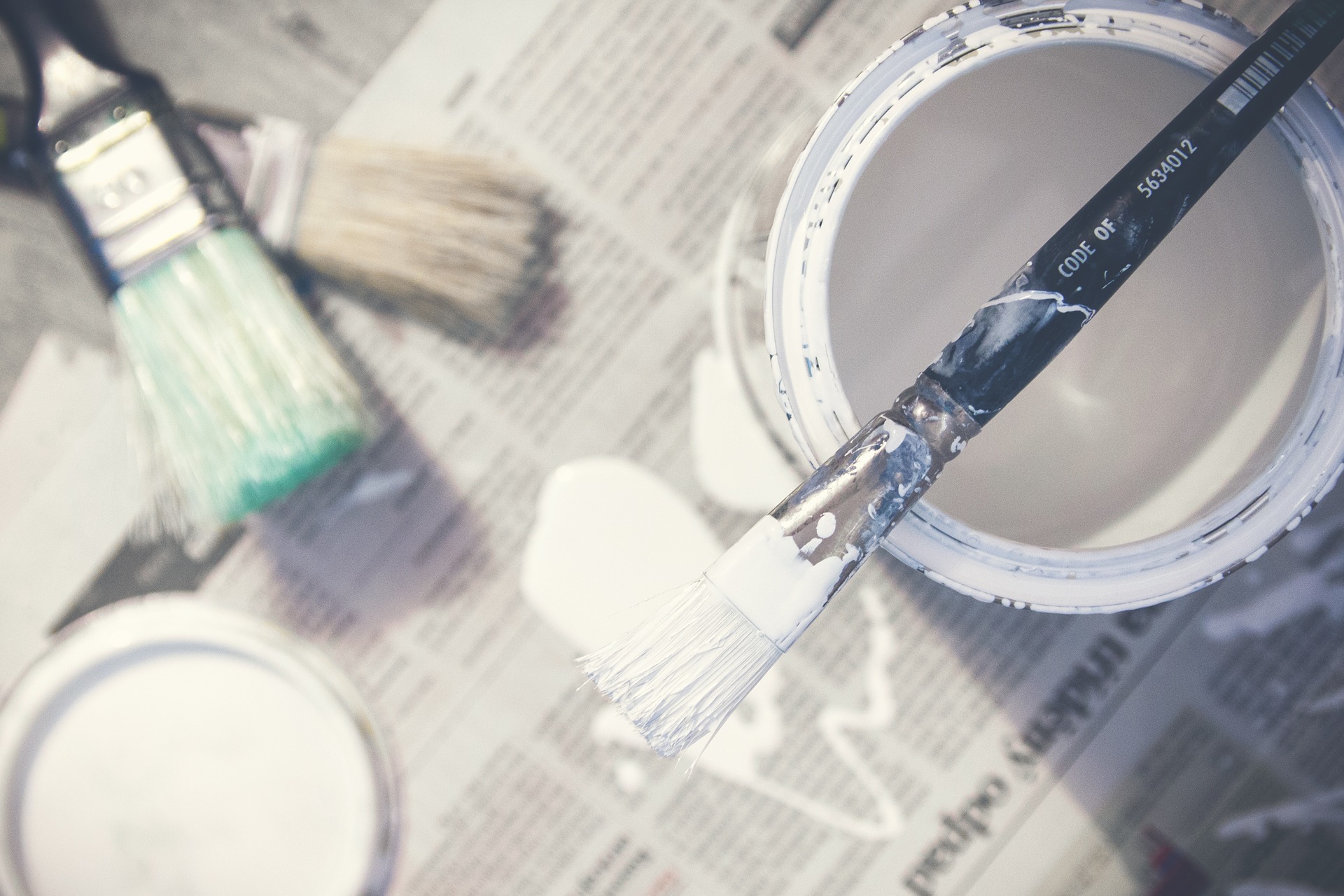
 An intriguing method to produce astonishing impact over home walls would be using at least
  When you have a construction or building project, having and making use of the right tools is essential and a standard. For example, a dewalt palm nailer is a device that fastens to the palm and functions as a nail gun. It is lightweight and has a compact design with a leather comfort grip that decreases vibration as well as avoid it from slipping. The dewalt palm nailer is quite handy and useful especially in spaces that are hard to reach.
 Balancing Art And Architecture





 Expand your Skills
 When you first begin working on these, you wish to start with the simple riddles. Riddles have become part of the culture in every part of the world and can also be considered as an artistic way of solving questions and mysteries. Once you can think of the replies to them fairly fast, then it’s advised that you proceed onto the tough riddles. If you don’t become an authority in the action, you might as well steer clear of the mind teasers, however, as they can drive you mad. Now, thanks to all those tiny evil writers which are constantly trying to mess with your head, there are all sorts of riddles.